
How to Clean an Underground Drain Pipe?
Ever had that moment where your yard smells weird or water just won’t drain no matter what? Yes, your under-sidestep drain pipe may be the silent but sneaky culprit. Such underground pipes humbly work quietly in the shadows, draining wastewater or stormwater from around your dwelling. But once clogged? Trouble doubles.
Don’t panic, you don’t need to call a plumber immediately (unless you just feel like it). In this guide, we’ll show you how to clean an underground drain pipe in the simplest, most efficient manner.
Why You Should Clean Underground Drain Pipes?
Your underground drain pipe is the veins of your plumbing system at home. When clogged with dirt, roots, or debris, it can cause:
- Flooding near your foundation
- Slow sink or toilet drainage
- Unpleasant odors in your yard
- Long-term pipe damage if not addressed
Regular maintenance keeps your system in top working condition, avoids surprise repairs, and keeps you from those unwelcome headaches.
Signs That Your Underground Drain Pipe Is Clogged
Before we get to the cleaning aspect, here are some warning signs to look out for:
- Stagnant water in the yard
- Gurgling noises from your drains
- Slow-draining water in sinks or tubs
- Foul smells in and around the house or yard
If you see any of these, it’s time to inspect that underground drain pipe.
Tools You’ll Need
You don’t need fancy gear, but having the right tools can make the job a lot smoother:
- A plumber’s snake or drain auger
- A high-pressure garden hose or power washer
- Protective gloves
- Safety goggles
- A pipe inspection camera (optional but super helpful)
- A bucket and tarp (for collecting debris)
Step-by-Step: How to Clean an Underground Drain Pipe
Let’s jump right into it. Here’s the easy step-by-step for cleaning out that underground pipe:
1. Find the Drain Pipe
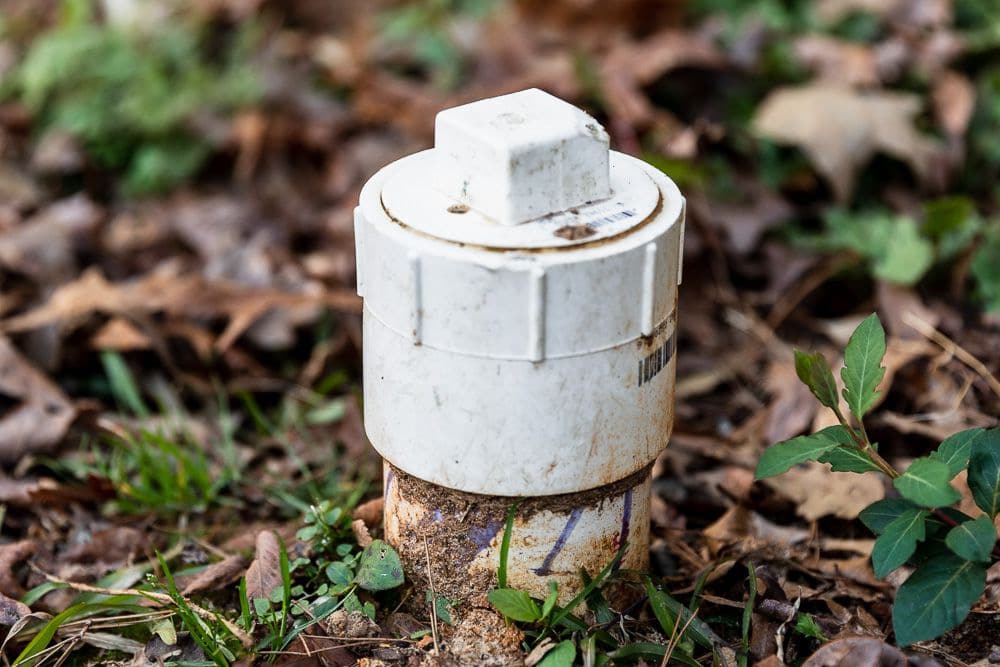
Prioritizing the task at hand, determine where the pipe ends and where the pipe starts. It could connect to a downspout on a gutter, a sump pump, or a drain on your yard. Consult your property blueprint if you’re not sure, or just find where visible openings or clean-out caps exist.
2. Check Out the Pipe (If You Can)
If you can get your hands on a pipe camera, use it to inspect inside. This allows you to see precisely where the clog is and what it is that is causing it (roots, mud, or debris). No pipe camera? No problem. Proceed to step 3.
3. Flush with a Garden Hose
Try the easiest method first. Insert a high-pressure garden hose into the pipe and turn on the water. Move it back and forth slowly to dislodge any loose debris. If the water flows out freely, you’re good. If it backs up or drains slowly, it’s time to bring out the bigger tools.
4. Use a Plumber’s Snake
Feed the drain snake into the pipe and push it slowly until you strike the clog. Turn the handle to dislodge the clog. You might need to go back and forth a few times to loosen all of it. If roots are the issue, think about using a root-cutting head or hiring a pro.
5. Pressure Wash the Pipe
If the snake does not remove it entirely, use a hydro jet or pressure washer that has a drain-cleaning nozzle. This blows water at a high velocity and removes sludge, grease, and debris deposited on the walls of the pipe. Be certain to wear goggles for safety for this step!
6. Sweep Up and Discard Debris
Put a tarp and bucket at the end of the pipe to collect whatever emerges. You may discover leaves, mud, twigs, and perhaps some bizarre surprises (gloves, toys, coins, you never know). Get rid of the trash properly and wash your hands thoroughly after touching any debris.
When to Call a Professional?
Let’s be real, some clogs are just too stubborn. If you’ve tried the DIY route and the problem’s still there, it’s time to call in the experts. Black Tie Plumbing offers professional drain cleaning services using advanced tech like camera inspections and hydro jetting to get the job done fast and safely.
If your underground drain pipe is old, damaged, or full of tree roots, DIY solutions may not be sufficient. Professionals may prevent future issues by performing a complete system check as well.
How To Prevent Future Clogs?
After your drain pipe has been cleaned, don’t forget to take measures to maintain it that way:
- Put gutter guards in to prevent leaves from enterin
- Regularly clean yard drains, particularly in autumn
- Trim tree roots close to your drain lines
- Employ enzyme-based drain cleaners (not toxic chemicals)
- Regular maintenance with your neighborhood plumber
Conclusion
Cleaning an underground drain pipe can sound scary, but with the right equipment and a little patience, you can do it like a pro. And if you ever get stuck or just want reassurance, Black Tie Plumbing’s friendly crew is always here to assist.
Don’t let a backyard swamp or a strange odor remind you that it’s time, start caring for your underground drainage today.
Final Thoughts
Let’s be honest. Dealing with sewer problems is never fun. But if you own a home, it is just one of those things that might pop up. You might not think about it often, but ignoring the signs can turn a small issue into a big, nasty mess.
That is why it makes sense to stay on top of things. Keep an eye out for anything weird, like bad smells or slow drains. Call someone before it gets worse. It could be a quick fix or maybe something bigger, like a full replacement. Either way, taking action early can save you a lot of trouble later on.
FAQs
Q. What are the most common sewer line issues?
A. Tree roots, corroded pipes, ground shifting, and debris buildup are among the top causes.
Q. How can I tell if I need sewer line repair?
A. Bad smells, slow draining sinks, and water coming back up are clear warning signs.
Q. What is a sewer line clean out for?
A. It gives plumbers an easy way to access your line for fast cleaning and repair work.
Q. How often should I have my sewer line cleaned?
A. Most homes should have it cleaned once a year, especially if the plumbing is older.
Q. When should I consider sewer line replacement?
A. If the pipe is falling apart, clogged often, or made from outdated materials, a full replacement may be needed.

 Black Tie Plumbing
  December 2025